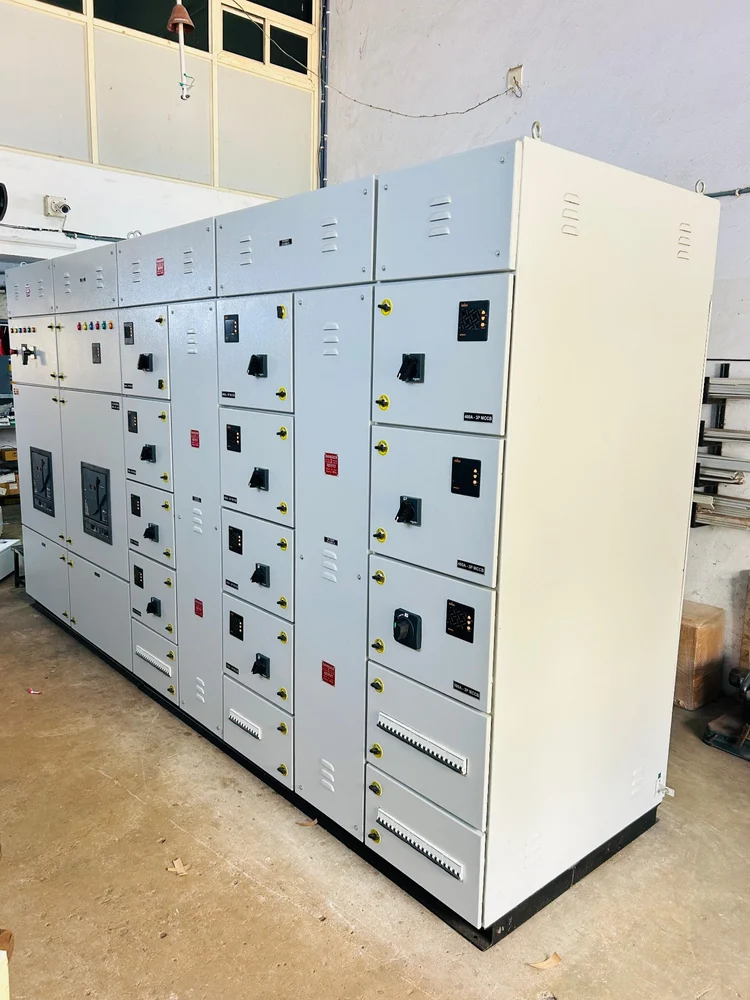
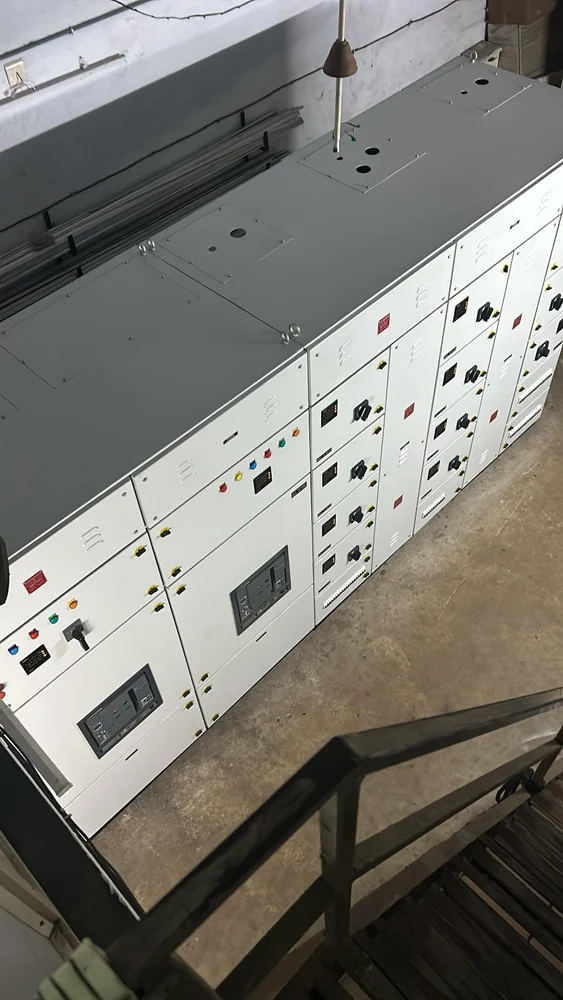
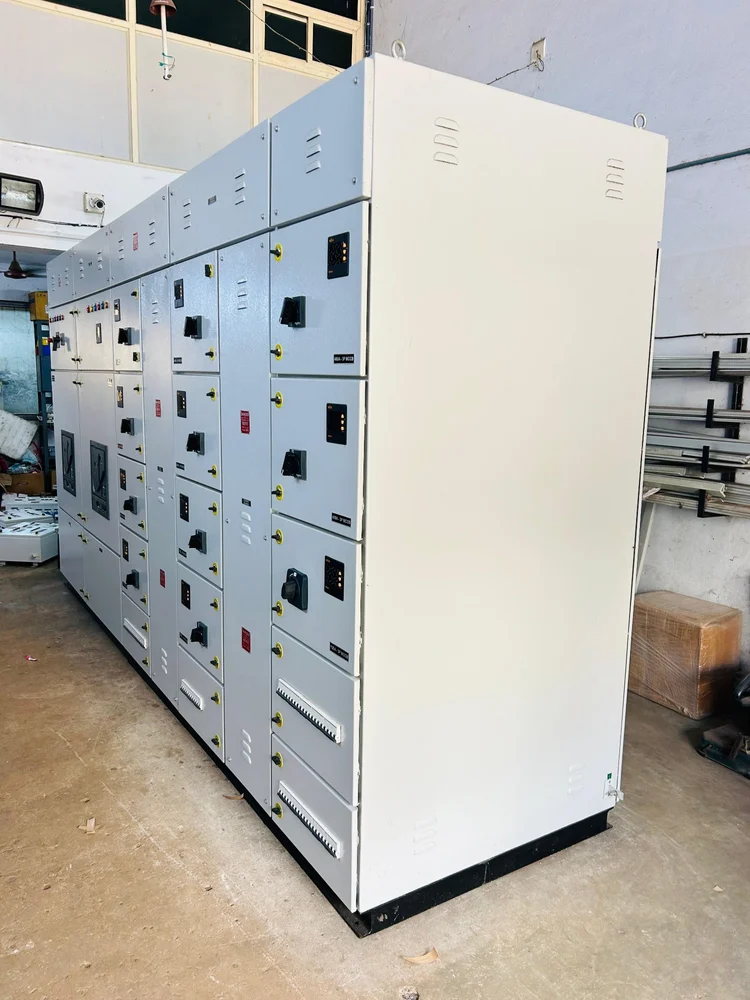
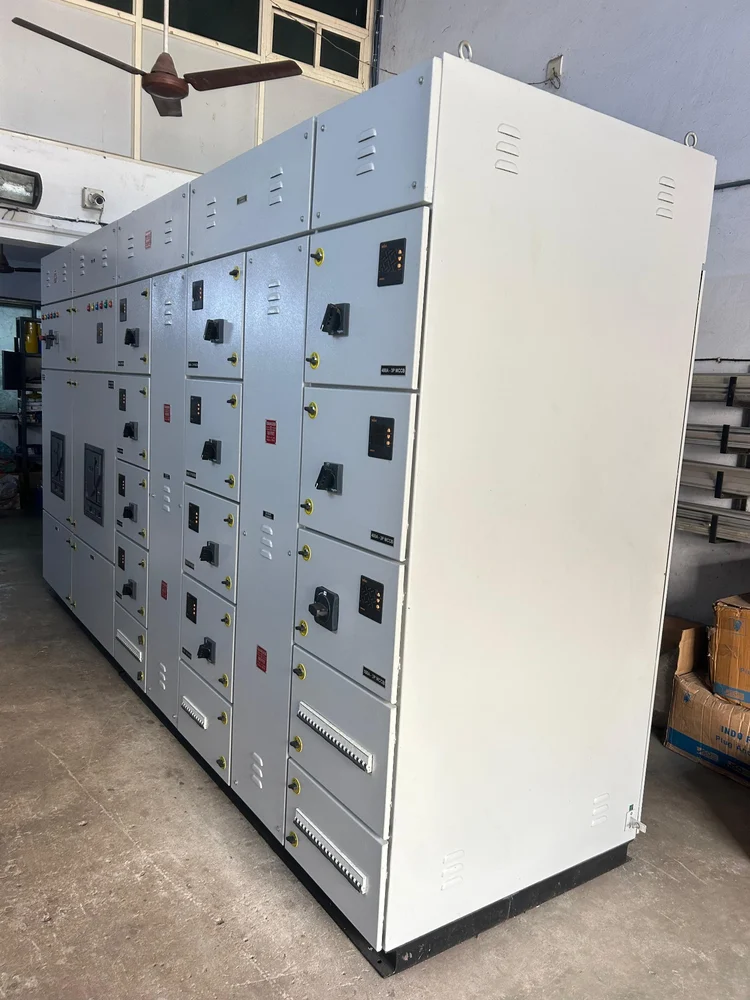
Main LT Power Control Centre Panels
| Phase | Three Phase |
| Rated Voltage | 415 V |
| Automation Grade | Manual |
| Bus Bar | Aluminium |
| Material | Mild Steel |
| Brand | Relief Power Control Panel |
Widely used in manufacturing plants, processing industries, commercial complexes, hospitals, and infrastructure projects, Main LT Power Control Centre Panels are built with properly rated copper or aluminum busbars, metering instruments, protective relays, and precision wiring. The panels are housed in robust, powder-coated mild steel enclosures designed for durability, safety, and long operational life. They can be customized according to load capacity, number of feeders, and specific project requirements.
Designed for high performance and reliability, these panels feature proper compartmentalization, secure busbar supports, adequate ventilation, and clear feeder identification for easy operation and maintenance. Their structured layout, high breaking capacity, and low maintenance requirements make Main LT Power Control Centre Panels a dependable and cost-effective solution for large-scale low tension power control and distribution systems.
A 2000-amp breaker panel is used in industrial, commercial, and large-scale construction applications for high-power distribution, such as in data centers, manufacturing plants, and large buildings. These panels provide a central point for distributing and controlling significant electrical loads, supporting critical infrastructure like smart grids and renewable energy systems. They are designed to handle substantial power requirements and are increasingly incorporating smart grid technologies, modular designs, and advanced safety features for reliability and efficient power management.

